Vaishno Devi Yatra: How to Plan the Route, Stay and Darshan
Plan a smoother Vaishno Devi pilgrimage with this practical guide to reaching Katra, completing registration, choosing a stay, preparing for the route and arranging darshan.

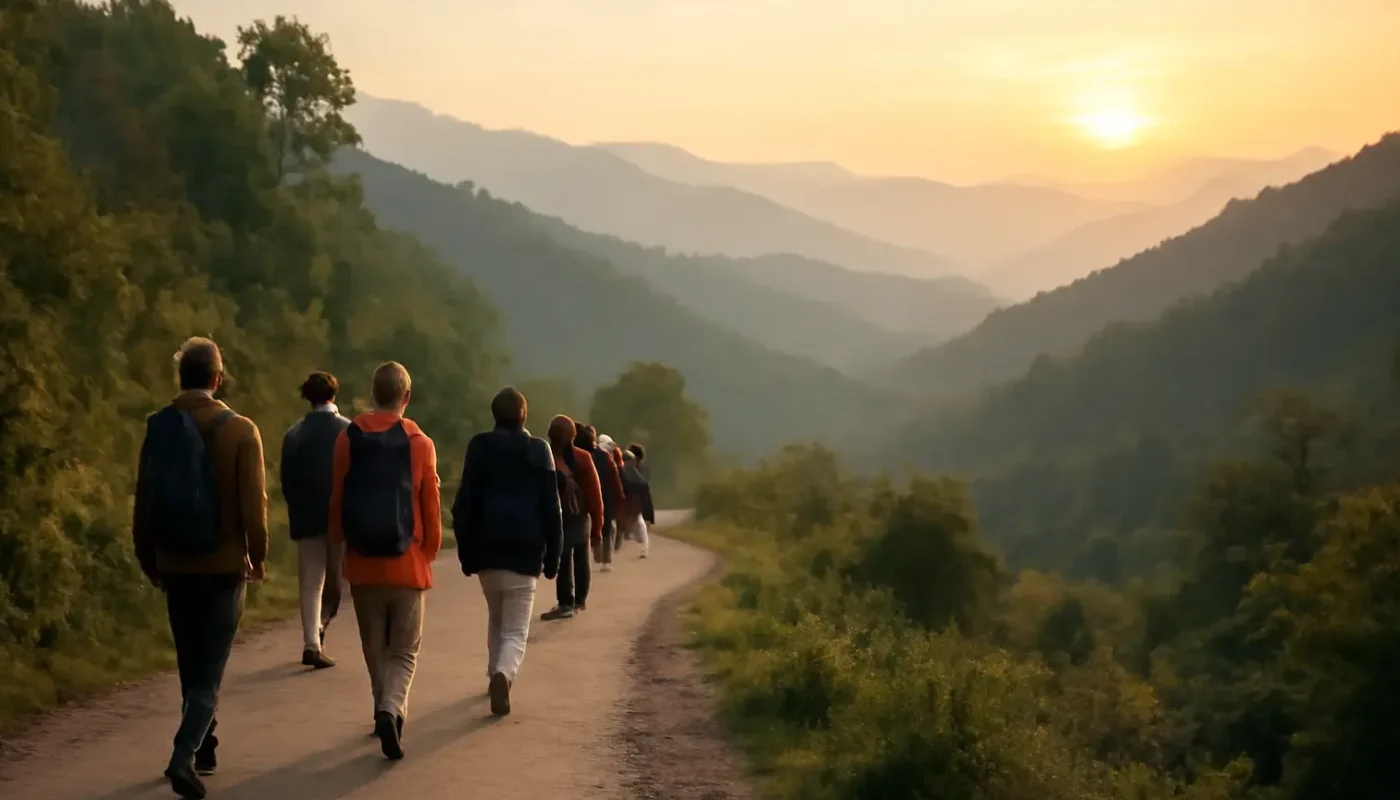
Quick answer
Vaishno Devi yatra usually begins in Katra, Jammu and Kashmir, where pilgrims complete official registration before walking about 12–14 km uphill to Bhawan. Plan two to three days: reach Katra, undertake the yatra and keep time for darshan or rest. Choose a Katra hotel or shrine-board accommodation, check weather and route advisories, and carry identification, a registration slip or access card, medicines, water and layered clothing. Helicopter, battery-car and pony options may reduce walking but depend on availability and weather.
Key facts at a glance
| Starting point | Katra, Reasi district, Jammu and Kashmir |
|---|---|
| Route length | Approx. 12–14 km one way to Bhawan |
| Nearest airport | Jammu Airport, approx. 50–55 km from Katra |
| Nearest railway station | Shri Mata Vaishno Devi Katra railway station |
| Ideal duration | Approx. 2–3 days from Jammu/Katra |
| Best seasons | March–June and September–November; check advisories |
| Altitude | Bhawan is approx. 1,600 m; Bhairon area is higher |
| Registration | Official Yatra registration and access process required |
The vaishno devi yatra is a well-organised pilgrimage from Katra to the holy cave shrine of Shri Mata Vaishno Devi in the Trikuta Hills of Reasi district, Jammu and Kashmir. Good planning matters because the route involves a long uphill walk, crowd fluctuations, weather changes and regulated entry. Start by choosing your travel mode to Katra, reserve a flexible stay, complete registration through official channels and keep a realistic schedule for darshan, rest and the return journey.
Vaishno Devi Yatra at a glance
Most pilgrims need a full day for the return journey between Katra and Bhawan, although fitness, queues, stops and transport choices can change the timing. The old track passes landmarks including Ban Ganga, Charan Paduka and Ardhkuwari. A newer track is generally preferred by many walkers because sections are less steep and facilities are available along the way.
- Starting town: Katra, a pilgrimage town in Reasi district, is the practical base for the journey.
- Approximate distance: The shrine is about 12–14 km from the Katra registration area by the walking routes; the exact distance varies by route and destination point.
- Final ascent: Bhairon Temple lies above Bhawan. A ropeway may operate, subject to weather, maintenance and crowd control.
- Darshan: Entry and queue arrangements are managed by Shri Mata Vaishno Devi Shrine Board; follow the current instructions given during registration.
How to reach Katra for the Vaishno Devi pilgrimage
Katra is connected by rail and road, while Jammu provides the nearest major airport. Compare total travel time, luggage and onward connections rather than choosing only by ticket price.
By air
Jammu Airport is approximately 50–55 km from Katra, usually a drive of about 1.5–2.5 hours depending on traffic, weather and road conditions. Taxis and app-based or pre-arranged transfers may be available, but fares can vary sharply during holidays. This option suits travellers from southern and western India who want to save a long rail journey.
By train
Katra railway station, also known as Shri Mata Vaishno Devi Katra station, is the most convenient railhead for the shrine. Check Indian Railways or IRCTC for current services, waitlists and cancellations. Some travellers may find more train choices to Jammu and then continue by taxi or bus, but the extra road transfer should be included in the plan.
By road
Jammu, Punjab, Himachal Pradesh and Delhi have road links to Katra. From Jammu, the drive is approximately 50–55 km and can take about 1.5–2.5 hours. From Delhi, allow roughly 11–14 hours by road in normal conditions, with significant variation from traffic and stops. Buses are economical, while a private taxi suits families carrying luggage or combining Katra with Patnitop.
How to reach Vaishno Devi from Delhi
To reach Vaishno Devi from Delhi, take a train to Katra where available, fly to Jammu and continue by road, or use an overnight bus or private car. Rail is usually the best balance for budget travellers; flying saves time but requires the Jammu–Katra transfer.
Vaishno Devi weather and the best time to go
Vaishno Devi weather changes with season and elevation. Katra can feel warm during the day, while the upper route and Bhawan may be cooler, particularly after sunset and before sunrise.
| Period | What to expect | Who it suits |
|---|---|---|
| March–June | Mild to warm in Katra; comfortable early starts, with summer crowds around holidays | First-time pilgrims and families who prefer moderate conditions |
| July–September | Rain can make sections slippery; visibility and transport may change | Flexible travellers who monitor advisories and accept disruption |
| October–November | Cooler mornings and evenings with generally pleasant walking conditions | Walkers seeking comfortable weather; book around festival demand |
| December–February | Cold at higher points; occasional rain or snow-related disruption is possible | Experienced travellers carrying proper layers and allowing buffer time |
Navratri, New Year, school holidays and major festival periods can bring heavy demand. If you prefer quieter movement, avoid peak dates where possible and start early. Never assume a route, ropeway or helicopter operation is available in poor weather; check the shrine board and local administration before leaving Katra.
Yatra registration, documents and darshan planning
Is registration mandatory for Vaishno Devi yatra?
Yes, pilgrims must complete the current official registration and access-card process before proceeding on the route. Carry a valid government photo identity document and keep the digital or printed confirmation accessible. Do not buy unofficial priority promises or share identity details with unverified agents.
Registration arrangements, counters, online services and document rules can change. Use the official Shri Mata Vaishno Devi Shrine Board channels or authorised facilities in Katra. Each traveller should check their name, age details and group information before setting out. Keep a phone copy and a paper backup if practical, but protect both from rain.
Darshan involves regulated movement and waiting. Wear modest, comfortable clothing, follow queue instructions and respect restrictions on bags, photography and offerings. Do not plan a tight train or flight immediately after darshan; a delayed queue, tired group member or weather interruption can affect the return.
The Katra to Vaishno Devi route and transport choices
The main route climbs from Katra towards Bhawan through Ban Ganga, Charan Paduka and Ardhkuwari. Facilities include rest points, food stalls, drinking-water points and medical assistance in designated areas, but availability and operating hours can vary. Keep your pace steady rather than treating the climb as a race.
- Walking: The most flexible and traditional option. Start early, take short regular breaks and use the safer designated track.
- Battery car: Services may operate on eligible route sections, particularly around the Ardhkuwari side, subject to tickets, queues and current rules. They help travellers who cannot manage a section comfortably but are not a substitute for checking access conditions.
- Pony and pithoo: Pony services and pithoo carriers can assist with luggage or passengers. Use authorised stands, confirm the fare and destination before departure, and treat animals and workers respectfully.
- Helicopter service: Helicopter services may connect the Katra or nearby base area with Sanjichhat, followed by a shorter walk towards Bhawan. Seats are limited, weather-sensitive and often in high demand; verify baggage, reporting and cancellation terms through official channels.
Even with a helicopter booking, retain time for transfers and the walk from the landing area. A helicopter is not a guarantee of immediate darshan. The route also includes the Bhairon Temple, which is above Bhawan; visit it only if your group has enough energy and the service or path is operating.
Where to stay: Katra accommodation and shrine facilities
Where to stay in Katra for Vaishno Devi
The best place to stay depends on whether you value transport access, quiet rooms or a lower price. Katra accommodation ranges from budget guesthouses to mid-range hotels and shrine-board facilities. Reserve early for weekends, Navratri, school breaks and winter holidays.
| Area or stay type | Advantages | Best for |
|---|---|---|
| Near Katra market and registration areas | Easy access to food, transport, luggage services and official counters | First-time pilgrims and short stays |
| Near the railway station | Convenient for early or late train departures; usually a short local transfer to the pilgrimage centre | Rail travellers and one-night stopovers |
| Shrine-board accommodation | Useful location and pilgrimage-focused facilities, subject to availability and current rules | Travellers prioritising proximity and a simple stay |
| Quieter outskirts | More relaxed surroundings but greater dependence on taxis or local transport | Families wanting space and longer stays |
Before paying, confirm check-in rules, hot-water availability, lift access, luggage storage and cancellation terms. Pilgrims arriving late should arrange a reliable transfer rather than assuming every hotel is walkable from the station. A Vaishno Devi travel guide can help compare Katra stays with options in Jammu, but staying in Katra is normally more practical for an early yatra.
Sample itinerary for a Vaishno Devi trip
Day 1: Reach Katra and prepare
Arrive by train, air or road, check in and complete the official registration process if it is not already done. Keep the day light, eat a familiar meal and check the weather, route notices and transport availability. Avoid beginning the climb immediately after a long overnight journey unless your group is rested.
Day 2: Complete the yatra and darshan
Begin early, carry only essentials and walk at a pace comfortable for the slowest member. Stop at Ban Ganga and Ardhkuwari without allowing sightseeing to compromise energy. Reach Bhawan, follow the queue and security instructions for darshan, and decide about Bhairon Temple based on time, health and current access.
Day 3: Return and depart
Return to Katra with enough buffer for rest, breakfast and transport. If you are travelling onward by train or flight, avoid a connection immediately after the expected arrival. A spare half-day is useful during festival crowds or unsettled weather.
Vaishno Devi budget: realistic planning ranges
Your Vaishno Devi budget depends mainly on the origin city, season, room type and walking versus paid transport. The following broad per-person ranges exclude shopping and vary by booking date:
| Expense | Approximate range | Planning note |
|---|---|---|
| Travel to Katra | Approx. ₹1,500–₹12,000 one way | Rail, bus and air fares vary widely by origin and demand |
| Katra stay | Approx. ₹800–₹5,000 per room per night | Budget rooms, hotels and peak-date rates differ |
| Meals and water | Approx. ₹400–₹1,000 per day | Depends on restaurant choice and group size |
| Local transfers and optional services | Approx. ₹300–₹5,000+ | Includes shared taxis or selected paid route services; verify current fares |
Carry some small notes, but use official counters where possible. A packaged Vaishno Devi tour packages option may simplify transfers and accommodation, while independent planning gives more control over dates and room choice. Read inclusions carefully: transport to Katra, registration assistance, meals and optional helicopter services may not all be included.
What to carry and safety tips
What to carry for Vaishno Devi yatra
Carry light, practical items because every unnecessary kilogram makes the ascent harder.
- Government photo ID, registration confirmation or access card, emergency contacts and a small amount of cash.
- Layered clothing, a light rain jacket, cap, socks and comfortable shoes with a firm grip.
- Personal medicines in original packaging, basic toiletries, sunscreen and any prescribed health documents.
- Reusable water bottle, compact snacks, power bank and a waterproof pouch for electronics and papers.
- A small daypack; leave large luggage at your hotel or an authorised storage facility after confirming its security.
Altitude at Bhawan is approximately 1,600 metres, and the Bhairon area is higher. Travellers with heart, lung, mobility or other health concerns should consult a doctor before planning the walk. Stop and seek assistance if you feel unwell. Children, older adults and anyone unused to uphill walking may prefer a slower itinerary or an available transport option.
Respect local religious practices, keep the route clean, avoid loud behaviour and follow instructions from shrine staff. Food options commonly include vegetarian meals, tea, rajma and local specialities such as kaladi kulcha around the Jammu region. Eat lightly before walking and be cautious with unfamiliar food if you have a sensitive stomach.
Common planning mistakes to avoid
- Booking a non-refundable onward connection with no buffer after darshan.
- Assuming helicopter tickets remove all walking, queuing or weather risk.
- Using unofficial agents for registration, priority access or transport fares.
- Starting the climb in unsuitable footwear or carrying a large suitcase.
- Ignoring rain, cold or crowd advisories because the forecast looked clear in Jammu.
- Trying to cover Patnitop, Jammu sightseeing or Raghunath Temple in the same rushed day as the yatra.
Travellers adding a Jammu stay can visit Raghunath Temple, while a relaxed post-yatra extension may include Patnitop. These should be treated as separate plans rather than squeezed between registration and darshan. The Chenab River landscape and nearby Jammu attractions offer a different experience from the shrine route.
Who this Vaishno Devi trip suits
This pilgrimage suits travellers who can manage a long, regulated uphill journey and are comfortable sharing busy facilities. Families should agree on a meeting point and carry children’s identification. Senior citizens may complete the journey with slower pacing or available assisted transport, but should check current access rules and consult a doctor if they have health concerns. Travellers seeking a purely quiet mountain holiday may prefer to combine the pilgrimage with a separate stay in Jammu or Patnitop.
Bottom line
Plan the Vaishno Devi pilgrimage around Katra rather than treating it as a quick stop. Reach the town with a buffer, complete registration through official channels, choose the walking or assisted route that suits your group, reserve a practical stay and carry layers, medicines and a light bag. Weather and crowd conditions can change, so confirm current arrangements before departure and keep your darshan and onward travel plans flexible.
Before you go: prices, timings, permits and road conditions change by season. Please confirm the latest details with Shri Mata Vaishno Devi Shrine Board, Jammu and Kashmir Tourism Department, Indian Railways and IRCTC and Jammu Airport authority and airline schedules. Last reviewed: November 2026.
Travel gear that helps on this trip
This article may contain affiliate links. We may earn a commission from qualifying purchases at no extra cost to you.
- Comfortable Walking Shoes For Pilgrimage Amazon IndiaView on Amazon
- Lightweight Waterproof Rain Jacket Amazon IndiaView on Amazon
- Compact Power Bank For Travel Amazon IndiaView on Amazon
Frequently Asked Questions
How many days are required for Vaishno Devi?
Allow two to three days from arrival in Katra: one for reaching and preparing, one for the yatra and darshan, and an extra day or buffer for rest and onward travel.
Can senior citizens do the Vaishno Devi yatra?
Yes, some senior citizens complete it with a slow pace or available assisted transport, but route conditions, health and current service rules should be assessed in advance. A doctor’s advice is sensible for existing medical concerns.
What is the nearest airport to Vaishno Devi?
Jammu Airport is the nearest major airport, approximately 50–55 km from Katra. The road transfer generally takes about 1.5–2.5 hours, depending on traffic and weather.
Is a helicopter necessary for the Vaishno Devi pilgrimage?
No. Many pilgrims walk from Katra to Bhawan. Helicopter services may shorten the walking distance from a nearby landing area, but they are limited, weather-dependent and do not remove transfers or darshan queues.
What should I wear for the Vaishno Devi route?
Wear comfortable grip footwear and layered clothing, with a light rain jacket in unsettled weather. Conditions can be warmer in Katra and cooler near Bhawan, especially at night.
Can I visit Bhairon Temple during the same yatra?
You can consider Bhairon Temple after Bhawan if your group has enough energy and the route or ropeway is operating. Check current access and weather information before making the ascent.

Written by