Kashmir Trip Cost: A Realistic 6-Day Budget Breakdown
Plan a six-day Kashmir holiday with a realistic per-person budget covering Srinagar, Gulmarg and Pahalgam, plus transport, stays, food, activities and common add-ons.

Quick answer
Kashmir trip cost for six days is usually about ₹25,000–₹45,000 per person from Jammu or Srinagar, excluding flights and shopping, for a mid-range trip covering Srinagar, Gulmarg and Pahalgam. Budget travellers may manage in ₹17,000–₹25,000, while flights, premium hotels, a private vehicle, snow activities or a houseboat can push the total beyond ₹50,000. Prices vary sharply by season, room sharing, snowfall and transport choice.
Key facts at a glance
| Ideal duration | Approx. 6 days / 5 nights |
|---|---|
| Main route | Srinagar–Gulmarg–Pahalgam |
| Approx. budget per person | ₹25,000–₹45,000, excluding flights |
| Nearest airport | Sheikh ul-Alam International Airport, Srinagar |
| Nearest major railway station | Jammu Tawi; approx. 270–300 km from Srinagar |
| Best value season | Approx. April–June or September–October |
| Altitude caution | Gulmarg is approx. 2,650 m; acclimatise gradually |
Kashmir trip cost at a glance
For most Indian travellers, the kashmir trip cost for a six-day, five-night holiday is approximately ₹25,000–₹45,000 per person when two people share a room and a vehicle. This estimate covers accommodation, intercity transport, meals and common sightseeing in Srinagar, Gulmarg and Pahalgam, but not flights, shopping or premium experiences. A basic plan can be lower, while winter snow, weekend demand and a private vehicle can raise the Kashmir travel cost considerably.
The final Kashmir trip budget depends on four choices: how you reach the valley, whether you share transport, the standard of your stay and which activities you add. Couples and families often spend more on convenience; students and small groups can reduce the per-person amount by sharing rooms and taxis.
What this six-day Kashmir itinerary covers
A practical route keeps Srinagar as the arrival and departure base, with two excursions to Gulmarg and Pahalgam. It avoids trying to include every valley in one trip and leaves some margin for traffic or weather. This is a useful starting point for a wider Kashmir travel guide.
Day 1: Arrive in Srinagar
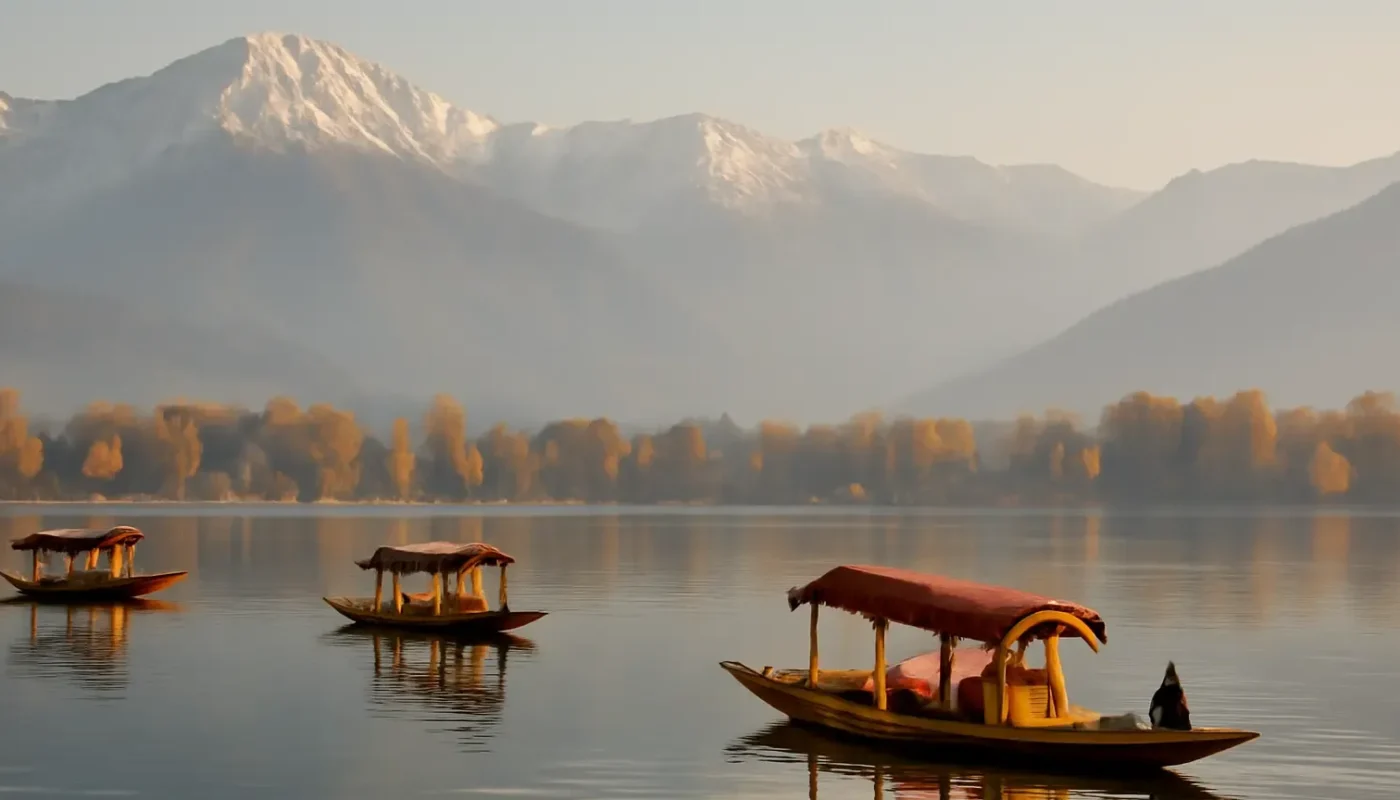
Transfer from Sheikh ul-Alam International Airport to Srinagar, check in and spend the evening around Dal Lake. A shikara ride is optional and should be priced before boarding; the amount can vary by duration, season and negotiation. If time allows, visit a nearby market rather than adding a long drive on arrival day.
Day 2: Srinagar sightseeing
Visit the Mughal Gardens, such as Nishat and Shalimar, and explore the old city respectfully. A Srinagar itinerary may also include Hazratbal, Pari Mahal or a short visit to Wular Lake, depending on traffic and opening conditions. Allow roughly half a day for local sightseeing and the rest for unplanned stops.
Day 3: Srinagar to Gulmarg
The drive to Gulmarg takes approximately two to three hours each way, depending on road conditions. The Gulmarg gondola is a major optional expense. Tickets, operating phases and weather-related availability can change, so check the official operator or local administration before travelling. In snow season, add charges for clothing, boots, sledges or activity guides only after confirming what is included.
Day 4: Srinagar to Pahalgam
Plan approximately three to four hours each way for the Srinagar–Pahalgam drive, with stops around Pampore or Awantipora if suitable. A Pahalgam taxi may be charged by vehicle and route rather than per passenger. Local sightseeing beyond the main town, including valleys and meadows, may require a separate local vehicle and should be agreed in writing.
Day 5: Pahalgam and return to Srinagar
Use the morning for a relaxed walk, riverside views or local sightseeing, then return to Srinagar. Travellers visiting during a pilgrimage period should not assume that the Amarnath Cave route is part of this six-day plan; access, registration, dates and arrangements are separate and officially controlled.
Day 6: Departure
Keep the final day simple. Leave extra time for airport security and road delays, especially after snowfall or during busy holiday periods. If your departure is by road, confirm the pickup point and expected travel window a day earlier.
Kashmir travel cost: realistic budget breakdown
The figures below are planning ranges for one person, assuming two travellers share a room and vehicle. They are approximate, vary by season and are not quotations. Airfares are shown separately because they differ greatly by origin and booking date.
| Expense | Budget choice | Comfortable mid-range choice |
|---|---|---|
| Accommodation, five nights | ₹5,000–₹9,000 | ₹10,000–₹18,000 |
| Food and drinks | ₹3,000–₹5,000 | ₹6,000–₹10,000 |
| Shared or group transport | ₹4,000–₹8,000 | ₹8,000–₹14,000 |
| Local sightseeing and rides | ₹1,500–₹4,000 | ₹4,000–₹9,000 |
| Activities and entry charges | ₹1,000–₹3,000 | ₹3,000–₹8,000 |
| Contingency | ₹2,000–₹3,000 | ₹3,000–₹6,000 |
| Total excluding flights | ₹16,500–₹32,000 | ₹34,000–₹65,000 |
For a realistic middle ground, set aside ₹25,000–₹45,000 per person, excluding flights and shopping. A flight from a major Indian city can add roughly ₹6,000–₹20,000 or more return, depending on the origin, date and baggage. Train travel to Jammu followed by road transport can reduce airfare but takes substantially longer.
How much does a 6 day Kashmir trip cost?
A six-day Kashmir trip costs approximately ₹17,000–₹25,000 per person on a careful budget and ₹25,000–₹45,000 for a comfortable mid-range plan, excluding flights. Add more for a private vehicle, premium stays, snow gear, gondola tickets and shopping.
Is Kashmir expensive for Indian tourists?
Kashmir is not necessarily expensive for Indian tourists, but transport and seasonal accommodation can make it costlier than expected. Sharing a vehicle, travelling outside peak snowfall and booking cancellable stays early usually offers the biggest savings.
How to reach Kashmir and control transport costs
Flying into Srinagar is the quickest option. The Srinagar airport, officially Sheikh ul-Alam International Airport, has road access to the city in roughly 30–60 minutes depending on the hotel area and traffic. Compare the flight price with the cost of reaching Jammu by train and continuing by road before deciding.
The Jammu Tawi railway station is the main rail gateway for travellers arriving by train. Srinagar is approximately 270–300 km from Jammu by road, and the journey can take roughly eight to twelve hours depending on traffic, weather, roadworks and stops. Train-plus-road suits travellers with time and may work well for groups, but it is not the fastest choice for a short holiday.
A Kashmir road trip from Jammu can include scenic sections through Ramban and Banihal, but routes may face delays during rain, snow or maintenance. Do not build a tightly timed itinerary around a single arrival connection. If you are comparing organised Kashmir tour packages, check whether airport transfers, tolls, driver allowances, local taxis and activity tickets are actually included.
Where to stay: Srinagar, Gulmarg or Pahalgam?
Srinagar usually offers the widest range of hotels and is the most practical base for airport access and city sightseeing. A Kashmir houseboat stay on or near Dal Lake can be memorable, but compare the room, heating, meals, transfer and shikara inclusions rather than assuming every houseboat offers the same standard.
Gulmarg accommodation is convenient for an early gondola start but often costs more, particularly during snowfall and weekends. Staying in Tangmarg or Srinagar may lower the room cost, although the longer daily transfer can offset the saving. Pahalgam has hotels, guesthouses and homestays across different price bands; river views and larger rooms generally attract a premium.
- Srinagar: best for first-time visitors, varied budgets and airport convenience.
- Gulmarg: best for snow, skiing and gondola access; expect seasonal price swings.
- Pahalgam: best for slower valley landscapes and families who prefer open surroundings.
Best season and its effect on Kashmir trip budget
Kashmir winter travel, roughly December to February, is popular for snow in Gulmarg but can bring higher hotel and taxi rates. Heating, winter clothing and snow activity charges may be additional. Roads and sightseeing schedules can also change, so keep a contingency amount.
Kashmir summer travel, broadly April to June, offers comfortable valley sightseeing and strong demand around school holidays. Rates may rise during long weekends. April can also bring spring flowers, while June is generally busier in established tourist centres.
September and October can offer a useful balance of scenery and demand, although conditions vary. The answer to “what is the cheapest month to visit Kashmir?” is not fixed: shoulder periods outside holidays often cost less, but compare current hotel and transport quotes before booking.
Local events, including Baisakhi in some areas, can affect demand. Check weather advisories and local travel notices rather than choosing dates only on the basis of a promotional fare.
Activities, permits and common add-ons
Most standard sightseeing does not require a special tourist permit, but rules can differ for restricted areas, trekking routes, protected zones and pilgrimage travel. For permits Kashmir travellers should check with the relevant local administration, tourism office or authorised operator before departure. Carry a valid government photo ID and keep digital and physical copies of bookings.
- Gulmarg gondola: budget for changing ticket prices, possible queues and weather interruptions.
- Shikara ride on Dal Lake: confirm the duration, route and total boat price in advance.
- Snow activities: ask whether clothing, equipment, instructor and transport are separate charges.
- Sonamarg day trip: it can be added from Srinagar, but road access towards Zoji La is seasonal and the pass is not always open for ordinary sightseeing.
- Food: allow extra for a traditional wazwan meal, premium restaurants and repeated café stops.
Try local Kashmiri food such as rogan josh, yakhni and breads, and budget for kahwa at cafés or market stalls. Eat at places that maintain good hygiene and ask about preparation if anyone in your group has dietary restrictions. A visit to Dachigam National Park requires checking authority rules, access and permitted activities beforehand.
Can I visit Kashmir without a package?
Yes, you can visit Kashmir without a package if you are comfortable arranging flights, cancellable hotels and point-to-point transport yourself. Independent planning gives more control over pace and spending, while a package can simplify vehicle availability, transfers and hotel coordination during peak periods.
For a first trip, one sensible compromise is to book accommodation independently and hire a locally registered vehicle for the Srinagar–Gulmarg–Pahalgam circuit. Get a written quotation covering fuel, driver allowance, tolls, parking, waiting time and local sightseeing restrictions. Avoid paying the full amount to an unverified intermediary.
Money-saving tips and mistakes to avoid
- Compare the total trip price, not just the room rate. A cheap hotel far from the route can increase taxi costs.
- Share a vehicle with compatible travellers, but do not assume every sedan can carry four adults and full luggage comfortably.
- Keep one buffer evening or flexible booking option for weather and road delays.
- Confirm whether breakfast, heating, taxes, airport transfer and extra beds are included.
- Do not prepay for every activity through an unknown seller. Use authorised counters or verified operators where available.
- Respect local dress and religious spaces, ask before photographing people, and follow no-littering rules around lakes, meadows and villages.
- At higher places such as Gulmarg, pace yourself, stay hydrated and consult a doctor before travel if you have a medical condition affected by altitude.
What to pack for a six-day Kashmir trip
Pack layers rather than one heavy jacket: thermal wear, a warm mid-layer, a waterproof outer layer, comfortable shoes with grip, sunglasses, sunscreen, lip balm and a compact umbrella. Winter visitors should budget for gloves, woollen socks and waterproof footwear. Carry prescribed medicines, personal identification and some cash, since connectivity or card acceptance may be inconsistent in smaller towns.
Bottom line
A sensible Kashmir trip cost for six days is ₹25,000–₹45,000 per person excluding flights, with ₹17,000–₹25,000 possible for a careful budget and significantly more for snow-season comfort or premium experiences. Prioritise reliable transport, flexible bookings and transparent inclusions. Srinagar, Gulmarg and Pahalgam make a balanced first route; add Sonamarg or longer excursions only after checking time, weather and the effect on your total Kashmir trip budget.
Before you go: prices, timings, permits and road conditions change by season. Please confirm the latest details with Jammu and Kashmir Tourism Department, Indian Railways and IRCTC, Sheikh ul-Alam International Airport and Jammu Tawi railway station authorities. Last reviewed: November 2026.
Travel gear that helps on this trip
This article may contain affiliate links. We may earn a commission from qualifying purchases at no extra cost to you.
- Waterproof Trekking Shoes Amazon IndiaView on Amazon
- Thermal Wear For Travel Amazon IndiaView on Amazon
- Compact Travel First Aid Kit Amazon IndiaView on Amazon
Frequently Asked Questions
What is the cheapest month to visit Kashmir?
Shoulder periods outside school holidays and major festivals are often cheaper, but there is no single guaranteed cheapest month. Compare current hotel, flight and taxi rates before booking, as snowfall and local demand can change prices.
How much does a taxi cost in Kashmir?
A private vehicle for a six-day Srinagar–Gulmarg–Pahalgam circuit may cost approximately ₹12,000–₹25,000 per vehicle, depending on vehicle type, season, route, inclusions and waiting time. Confirm the written quote before travel.
Is six days enough for Kashmir?
Yes. Six days is enough for a balanced first trip covering Srinagar, Gulmarg and Pahalgam, provided you avoid adding too many distant excursions. Add buffer time for weather and road delays.
What should I budget for Gulmarg gondola?
Keep a separate activity allowance of approximately ₹1,000–₹3,000 or more per person for gondola-related tickets and associated snow expenses, and verify current ticket rules and availability before visiting.
Can I visit Kashmir without a package?
Yes. Independent travel works well when you book verified accommodation and arrange a registered local vehicle. A package may be more convenient during peak snowfall or for travellers who prefer one point of contact.
Is Kashmir expensive for Indian tourists?
It can be moderately priced rather than inherently expensive. Sharing rooms and transport and travelling in a shoulder season can keep a six-day trip near ₹25,000 per person excluding flights, while peak snow dates and premium stays cost more.

Written by